


Over the past year on Puffin Ward, we experienced the profound loss of six children.
While each loss leaves a lasting impact, one experience in particular highlighted a gap in how we support families during end-of-life care.
Through the compassion and support of our paediatric end-of-life coordinator, we were able to access a cuddle bed on a trial basis. During a young child’s final hours, this bed allowed her parents and siblings to lie beside her, hold her, and remain physically close. This simple yet powerful intervention transformed an incredibly difficult experience, providing comfort, dignity, and togetherness at a time when it mattered most.
A cuddle bed is specifically designed to allow parents and carers to lie alongside their child in a hospital setting safely. Its introduction to our paediatric ward has made a meaningful difference to the care we provide. It supports a family-centred approach, recognising the importance of closeness, touch, and presence—particularly during critical illness and end-of-life care.
For families navigating challenging hospital journeys, the ability to remain physically close to their child strengthens emotional bonds and offers a sense of reassurance. It helps reduce the distress associated with separation and creates an environment where families can spend precious time together in comfort and privacy.
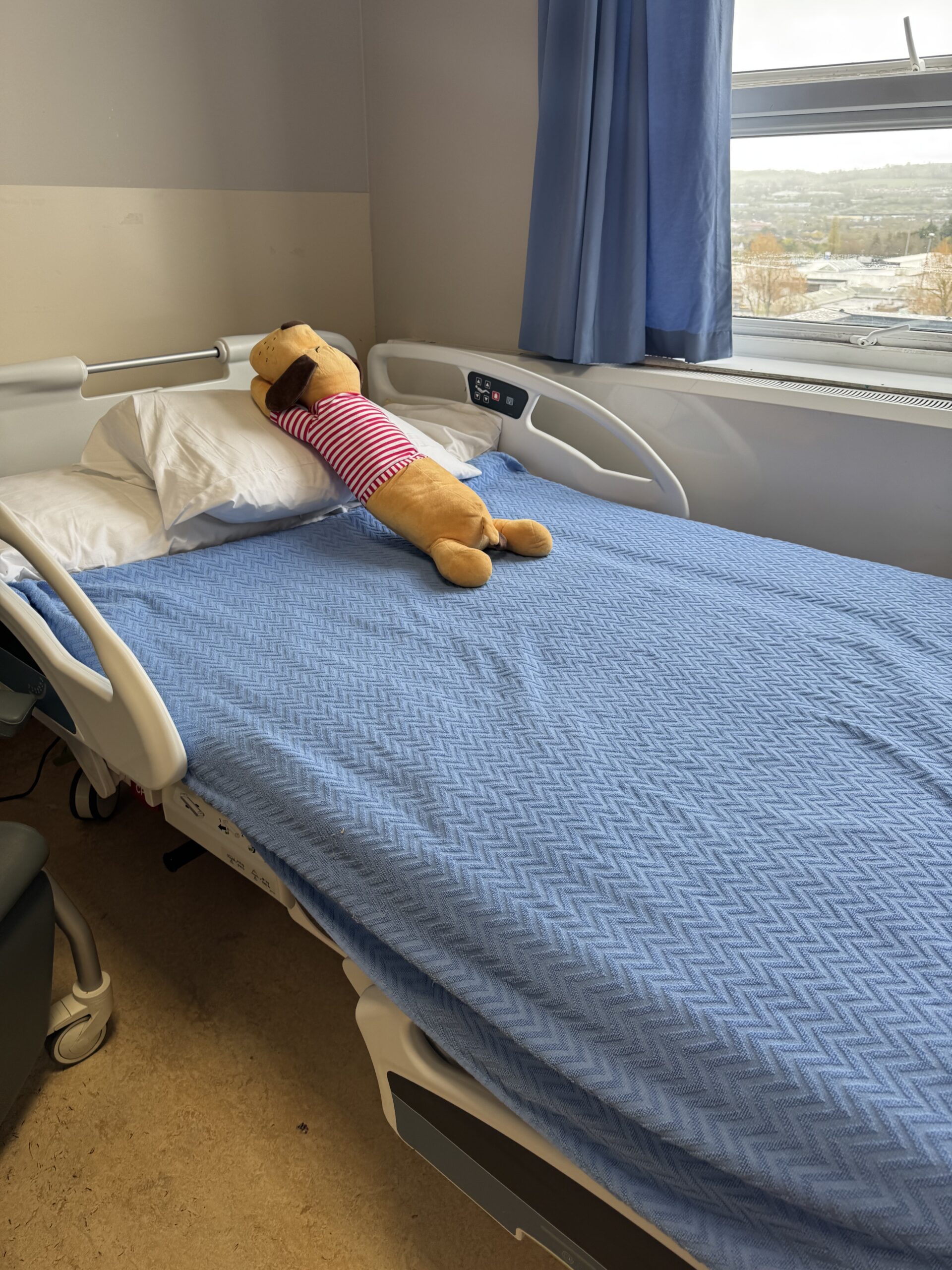
From a staff perspective, the impact has also been significant. We have observed calmer parents, reduced anxiety, and an overall improvement in family satisfaction with care. The cuddle bed has enabled us to provide more compassionate, holistic care—aligning clinical excellence with emotional support.
Thanks to the support of our CUH charity services, we were able to introduce this essential resource into our ward environment. Its presence represents more than just equipment; it symbolises a commitment to dignity, empathy, and family-centred care at the most vulnerable moments in a child’s life.
In conclusion, the introduction of a cuddle bed has been a small but powerful innovation. It has enhanced the quality of end-of-life care, supported families through unimaginable grief, and reinforced the importance of human connection in paediatric nursing practice.